
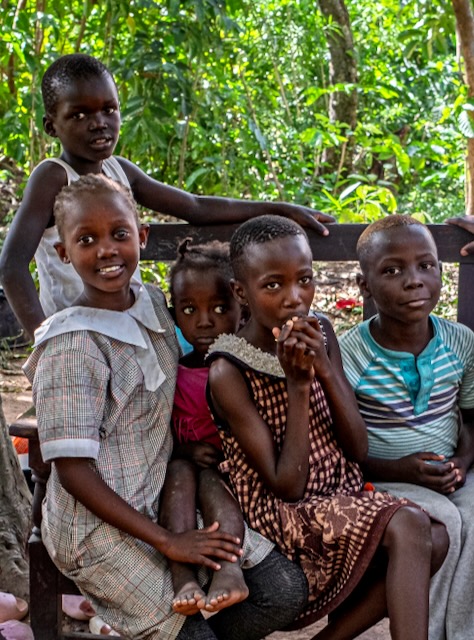
Turns out, our mothers were right — we should eat our vegetables.
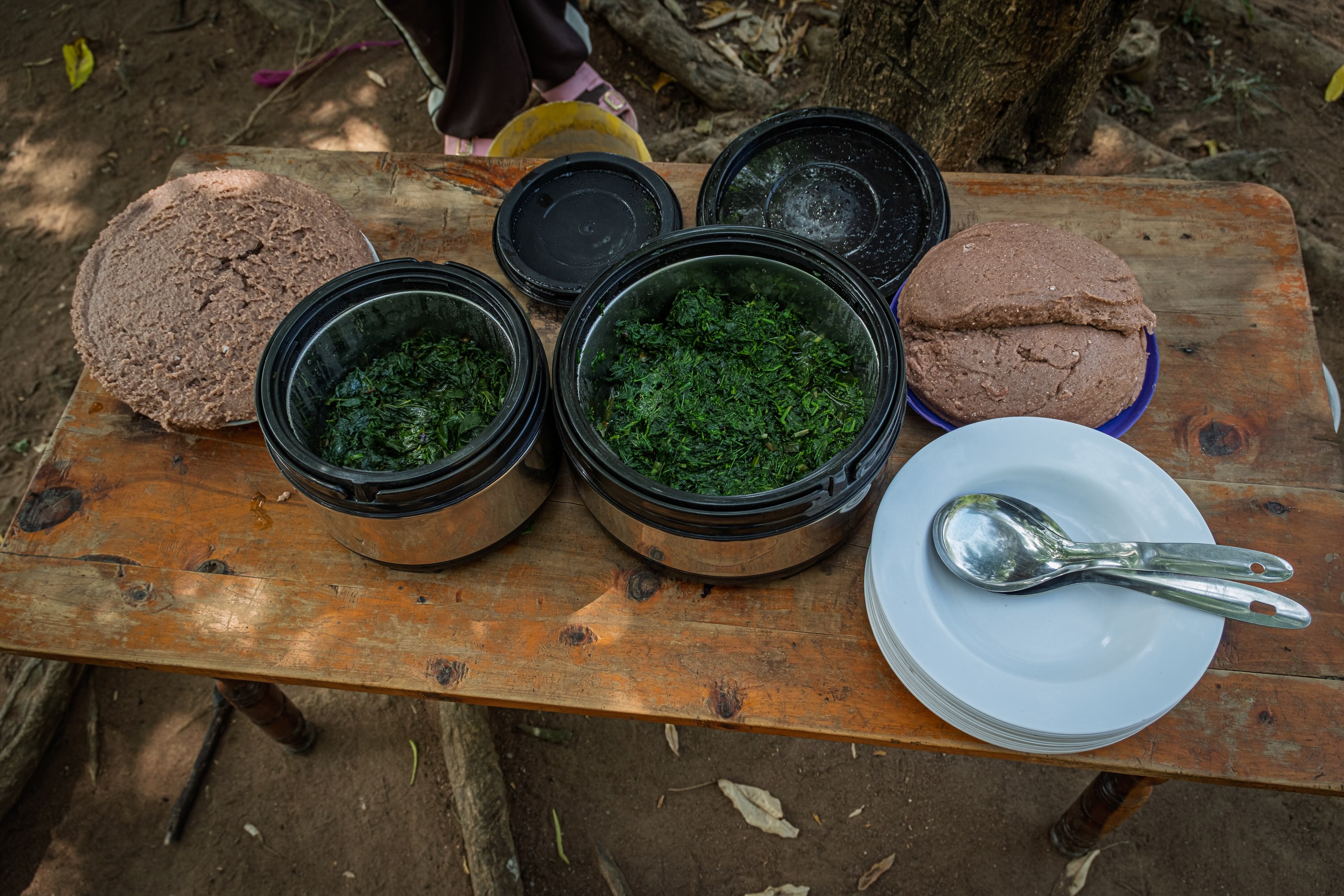
Growing and eating organic African traditional green vegetables — especially nutrient-rich greens — has been at the heart of SANGO-Kenya from the beginning. And we see the impact every day, on the face of every child, and we hear it every time a mother tells us how healthy her children are now that they are eating vegetables.
“African traditional leafy vegetables , including cowpea leaves [what we know as black-eyed peas], amaranth, and African nightshade, are exceptionally nutrient-dense and play a vital role in improving the diets — and health — of our farmers, their families, and their communities,” said Dr. Constance Gewa, SANGO-Kenya’s co-founder and Director of Programs and Evaluation.
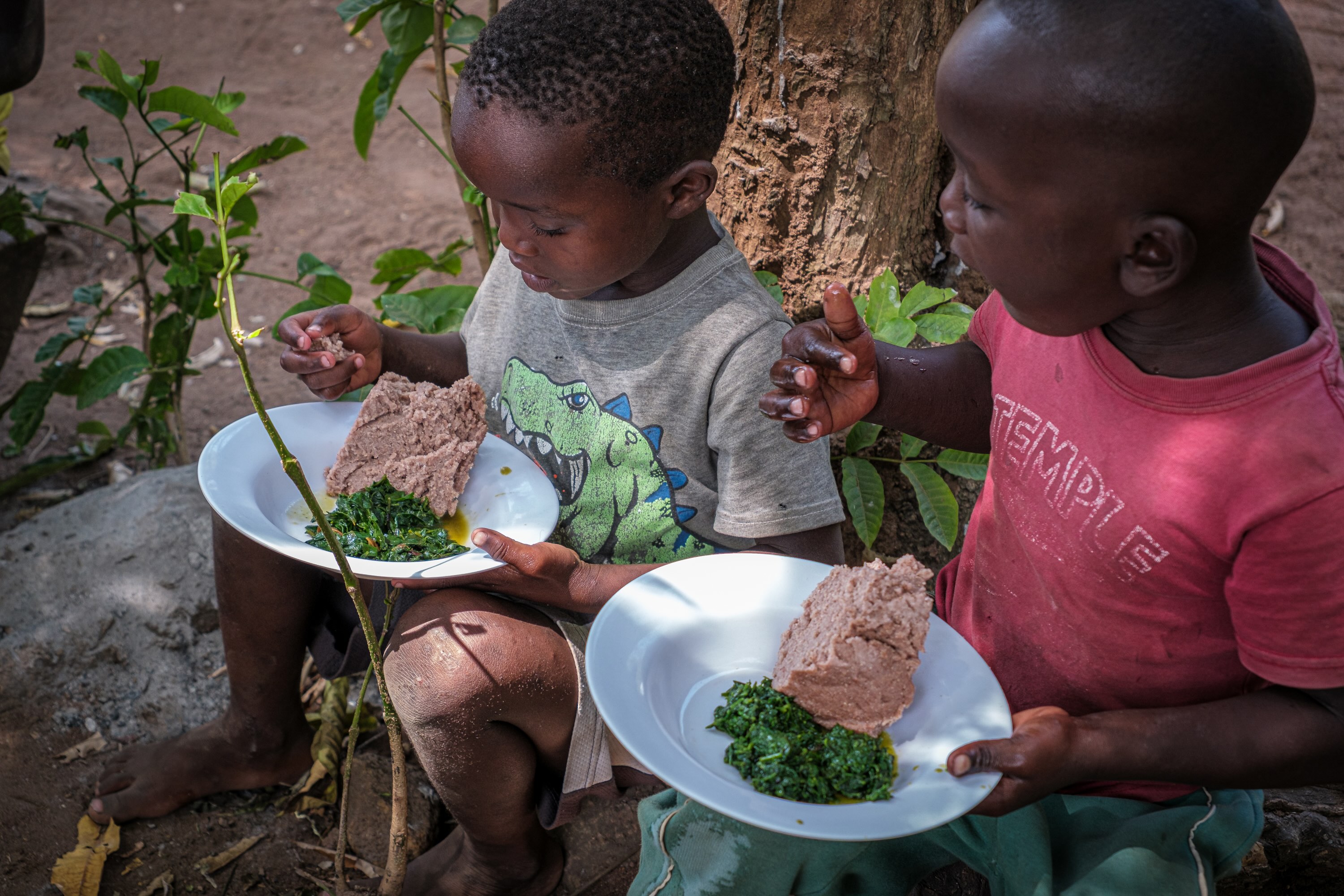
The children love them! Another constant refrain from the mothers: “Since I have been in SANI-Kenya, my children want vegetables with every meal.”
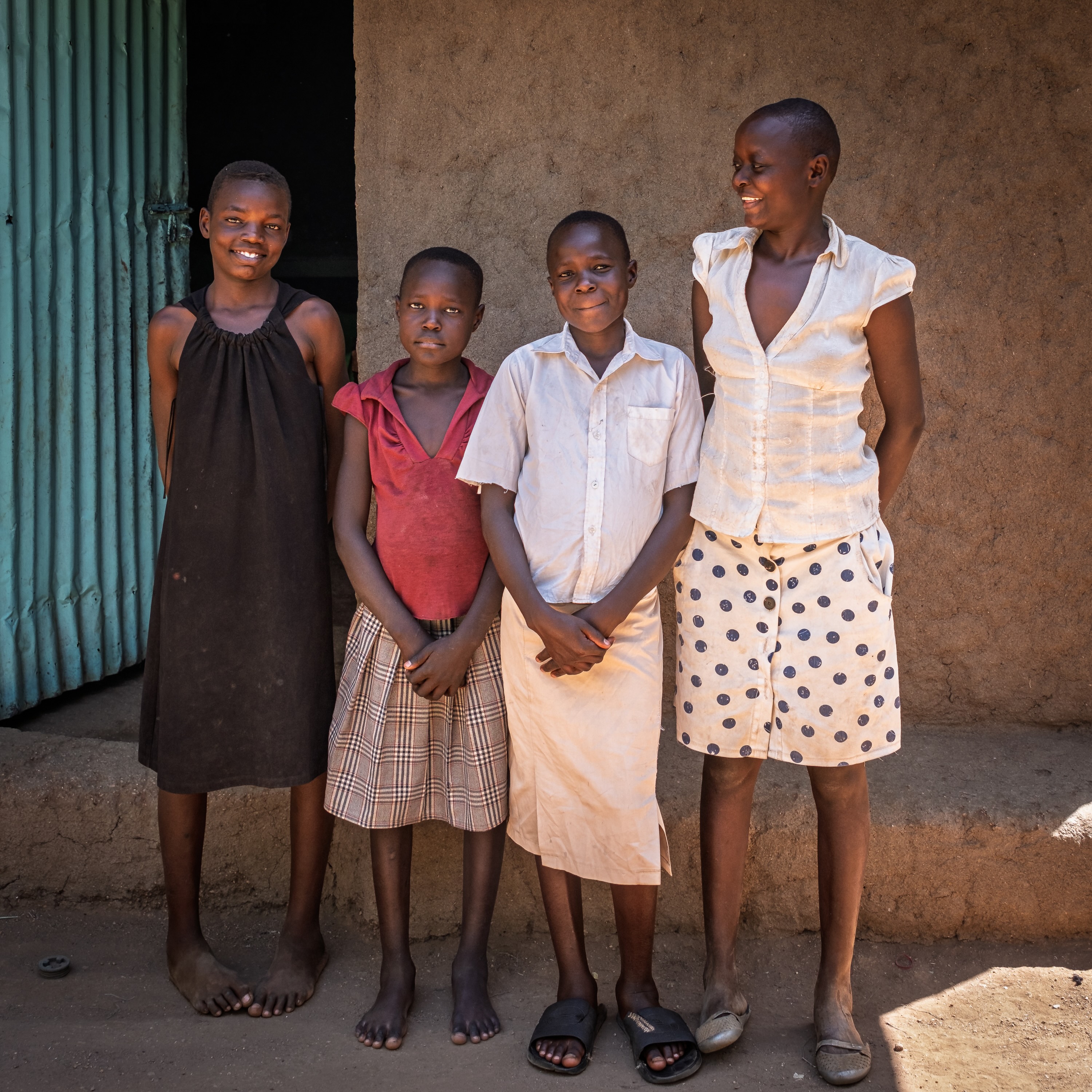
In addition to healthier skin, mothers also tell us they are healthier overall, so they have to go to the doctor less often. That means their children miss fewer days of school and they have fewer medical expenses.
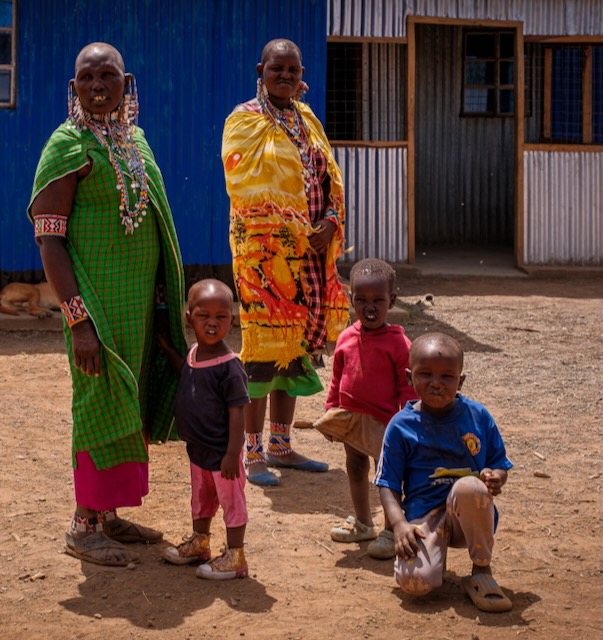
Last year, we expanded SANGO-Kenya and began a program working with Maasai women in Amboseli, an area near Amboseli National Park. As pastoralists, Maasai do not traditionally eat vegetables. But the community recognized the need for vegetables to improve their health, especially their children’s health. “Our children are malnourished,” one community leader shared with us when we first went there.
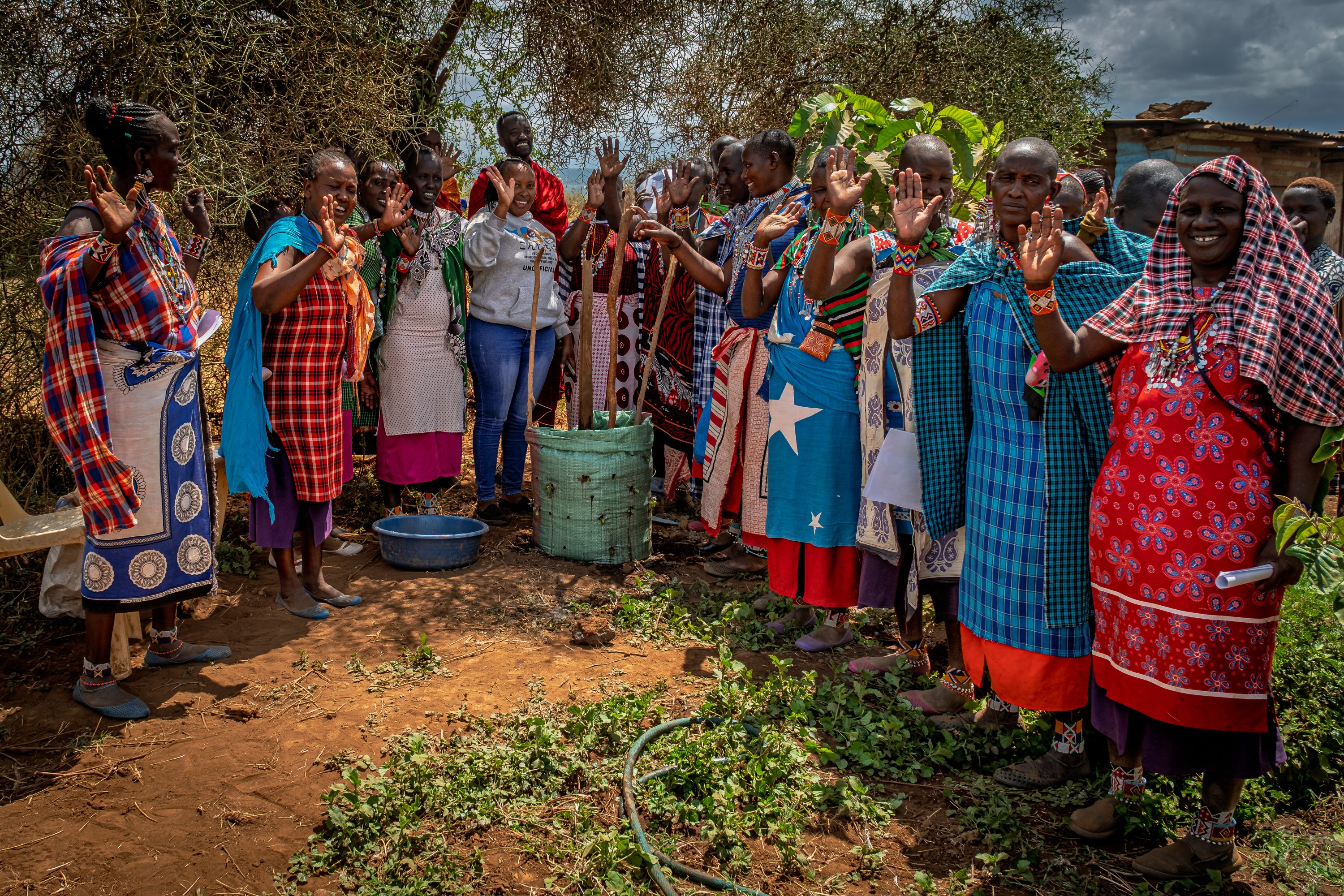
Now, just months after the program began, the women are growing vegetables, making multi-story-gardens, and their children are eating vegetables regularly!
It is too soon to see the full health impact, but they are committed — and their children now also want vegetables as often as they can.
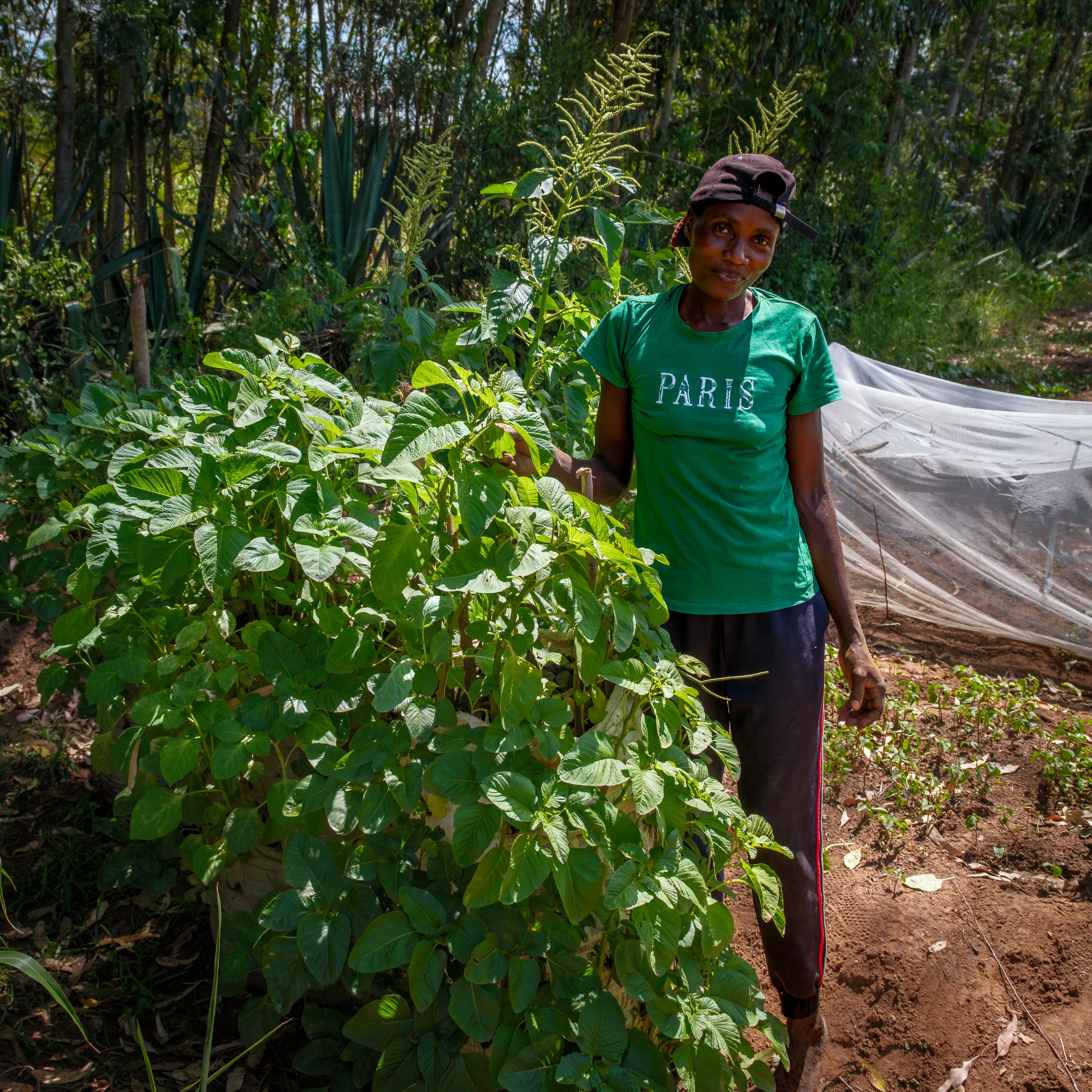
Today is World Health Day. This year’s theme, “Together for health. Stand with science,” reflects something we see every day — how following the science of organic farming and nutrition can improve crops and increase yield, providing the vegetables that can strengthen the health of women, children, and communities.
Although we are not a traditional health program; what we do is critical to the health and well-being of the communities where we work: we train communities to grow the food that keeps people well.
In a world where support for health programs is increasingly scarce, that matters more than ever.
On this World Health Day, please join us in standing with science — with women, with farmers — to strengthen the food and nutrition and health for the thousands of women, children, and communities who benefit from SANGO-Kenya every day.
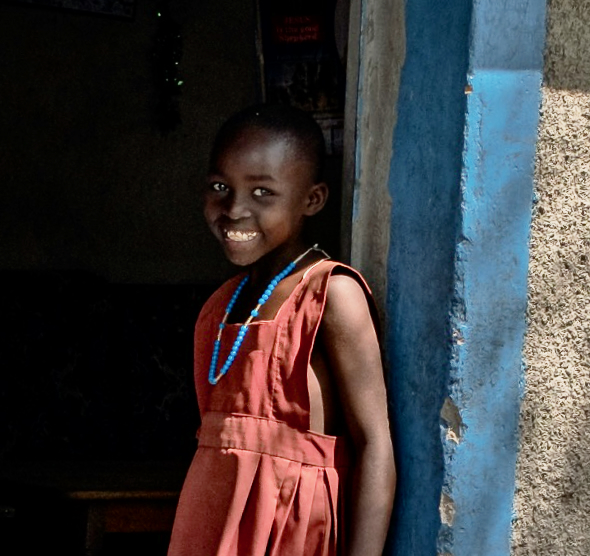
Please Donate Today and Bring Healthy Food — and Healthier Futures — To More Families
With deep gratitude,
The SANGO-Kenya farmers, Winnie, Evance, Peter, Junior — and Connie and Kit
Please like us on Facebook:
SANGO-Kenya
And follow us on Instagram:
SANGOKENYA
Photos: Etan Rozin
www.rozinphotos.com
Write me! I love hearing from you! [email protected]