
SANGO-Kenya Farmers Prepare
I have been back in the US for a few weeks now, and, as usual, everyone asks how things are in Kenya. My first reaction is always to say “things are good” because with every trip, I am more impressed by the farmers.
However, the real answer is more complex. The SANGO-Kenya “family” — the farmers, community leaders, our amazing team — are all great, but that isn’t to say that they are not facing new and difficult challenges all the time.
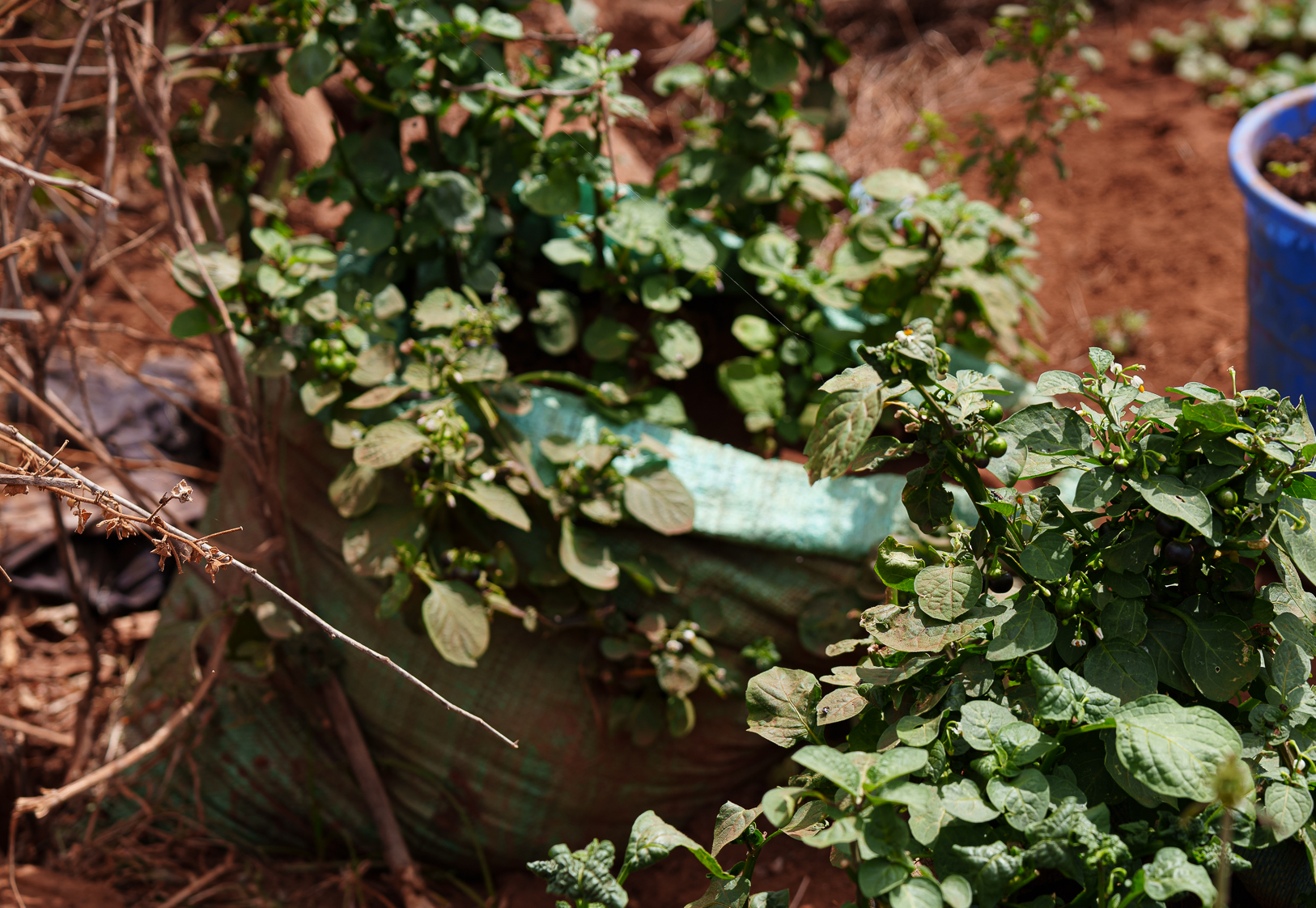
Currently, it is extremely dry in both Kisumu and Amboseli, the two areas where we work. Eli, our field officer in Amboseli, told us that the crops are covered in dust, which inhibits the healthy growth of vegetables. In Kisumu, there has been so little rain that some of the boreholes (a type of well) are drying up, which means farmers must walk even farther to get water for drinking, and, if they have gray water, irrigation.
It seems every season brings more extreme weather, making it much more challenging for farmers to raise the crops they need to feed their families. Now, while farmers are still stressing over drought, they are having to prepare for the potential of extreme flooding in the next months: The 2026-2027 season is being labeled a “Super El Niño,” with the Kenyan Meteorological Department already issuing warnings that the odds for extreme weather and flooding are 81%, with a 97% probability that it will persist into early 2027.
“In agriculture, it is key to anticipate weather events. We are already sensitizing our farmers on El Niño preparedness, emphasizing to them the importance of understanding the expected weather conditions and taking early measures to minimize potential impacts,” Evance, the head of our Agriculture Department, explained.
Farmers are understandably concerned: When should they plant? Will their seedlings wash away? Will their harvests be sufficient to feed their families?
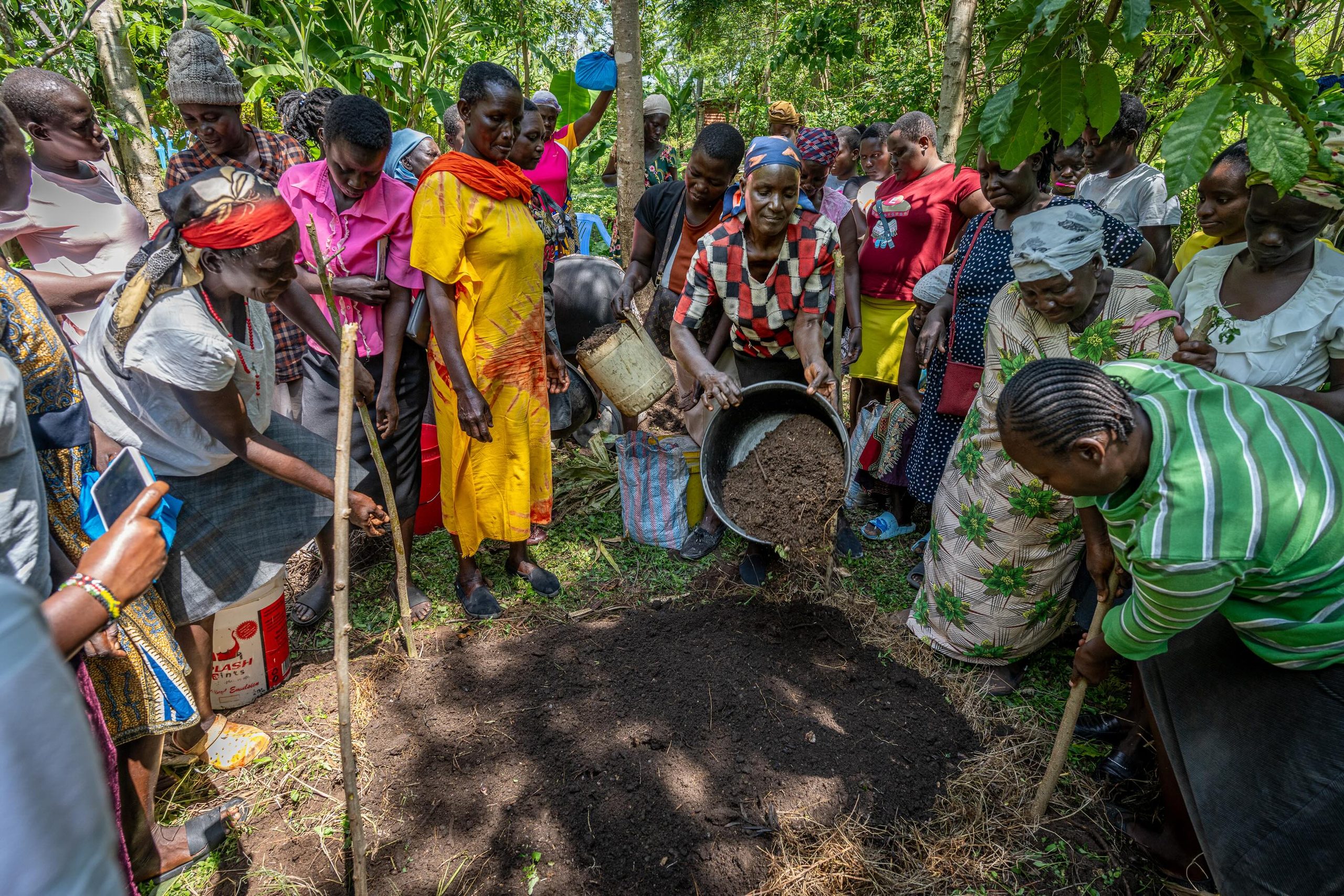
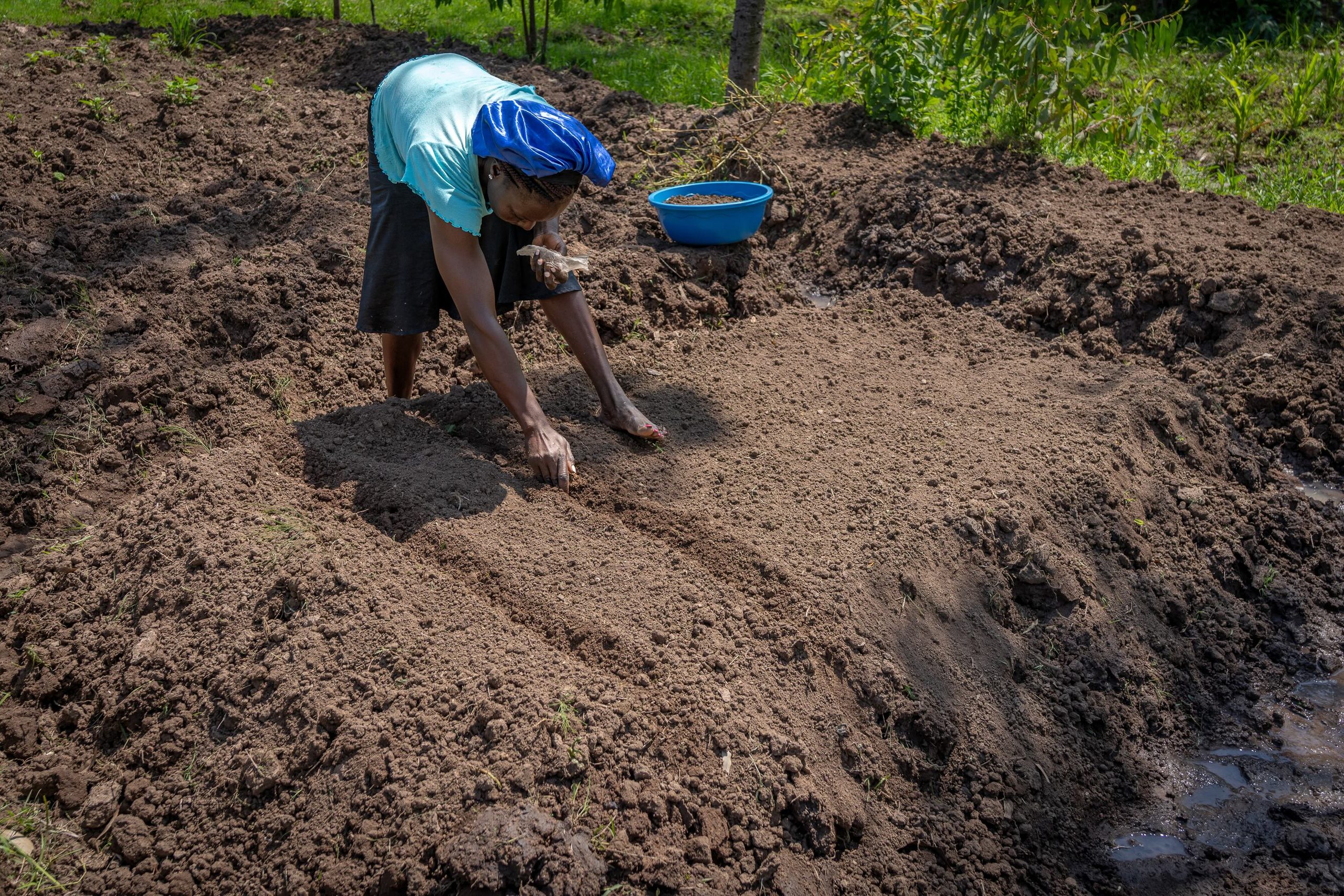
So, as soon as the El Niño warnings began, our agriculture team began talking to them about how to prepare: to plant raised beds with terraces (trenches) around them; to avoid planting near streams and rivers; to plant more multi-story gardens; to try to diversify their crops and livestock so they are not dependent on one source of food or income.
“We will do what the SANI-Kenya* team tells us because we trust them; the advice they have given us has helped us,” one of the farmers said.
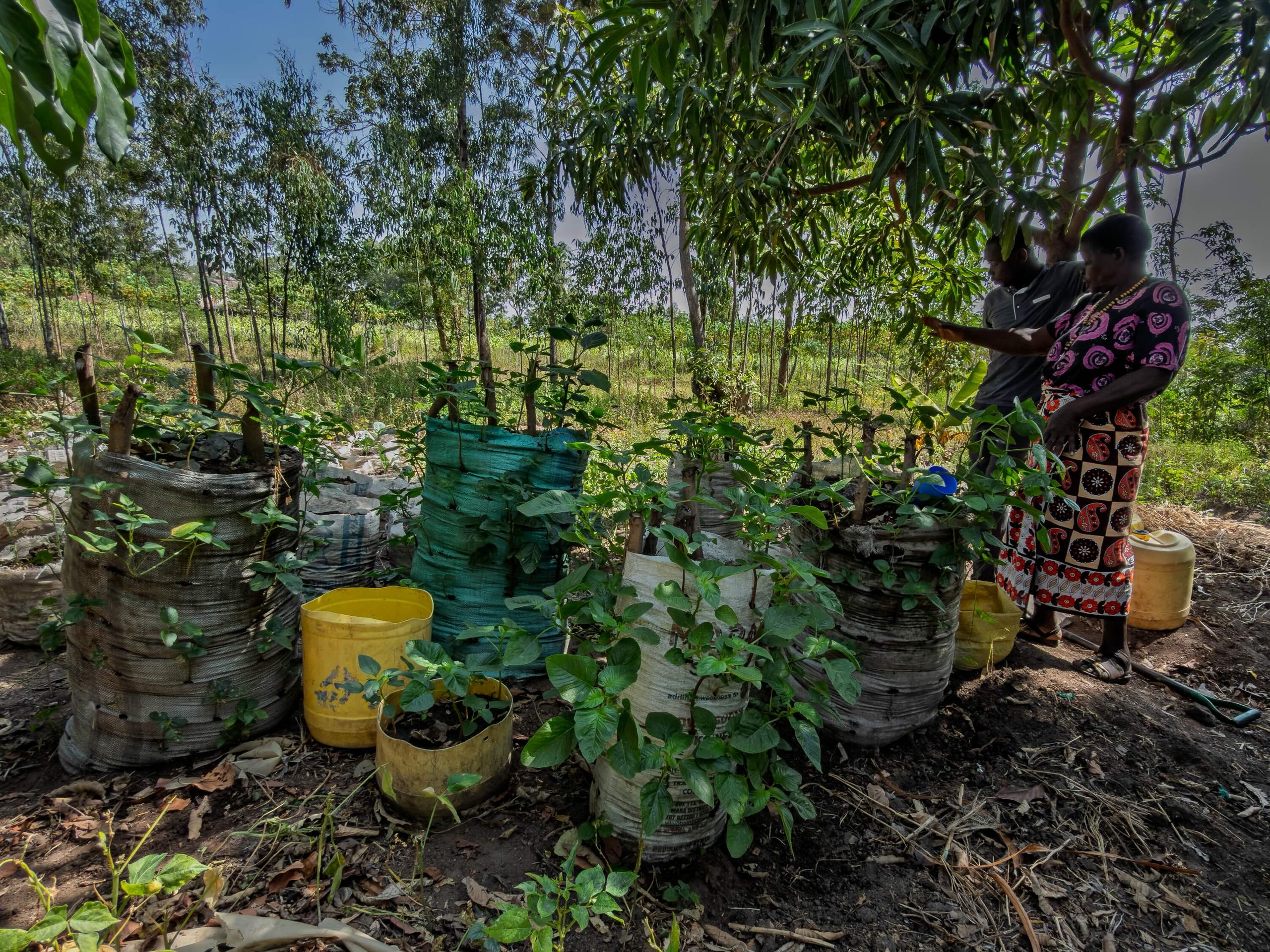
That advice always focuses on practices that will help them regardless of the current climate shock: using compost and mulch, making multi-story-gardens and planting in buckets, and focusing on climate- and disease-resistant crops. Sorghum and cassava have been two crops that we introduced that have become increasingly important to farmers. Both are relatively climate resilient; both can be preserved and consumed long after harvest, helping give farmers confidence that they will have food to feed their families even in extreme weather conditions.
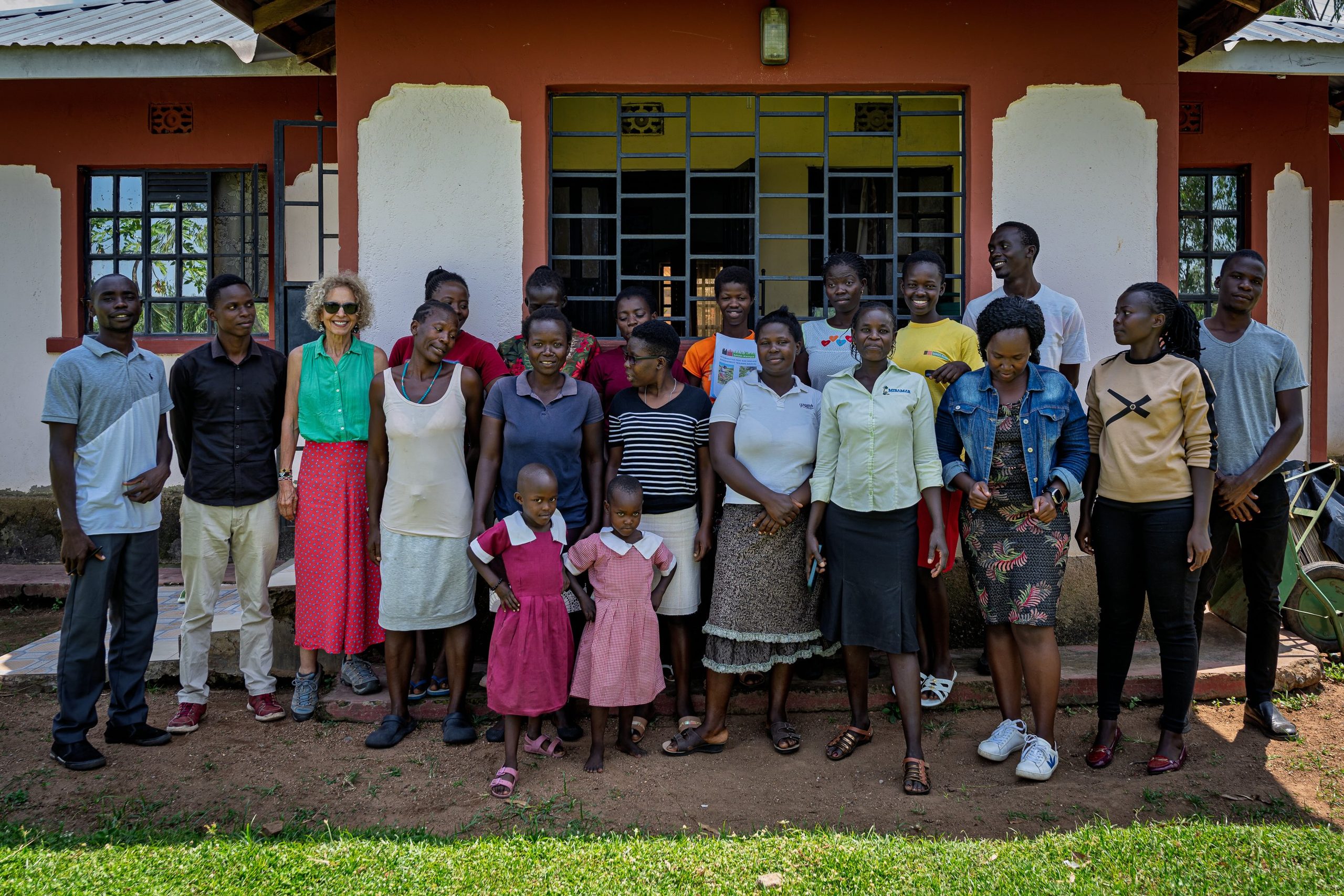
SANI-Kenya* has built a partnership with the 800 farmers who are in or who have been through the three-year program. Because of that partnership — the SANI-Kenya* community — and the trust that has resulted, we can work with the farmers to help ensure that they and their families will come through whatever weather crises come their way.
“We really hope that none of the El Niño predictions come through, but if they do, it is better to be prepared,” said Evance.
We can only do this because of your generous support.
Please consider donating today and help ensure SANGO-Kenya farmers are prepared for Super El Nino!
Thanks to two of our generous donors, all gifts to this campaign will be matched dollar for dollar!
With deepest gratitude,
The SANGO-Kenya farmers, Winnie, Evance, Peter, Junior, Eli — and Connie and Kit
Note: Today is World Humanitarian Day. While SANGO-Kenya is not a traditional humanitarian organization, we sometimes do humanitarian work, for example, during times of floods. We can do this work because of the trust that our team has built with the community. Without such trust, it is impossible to do this work, as we have seen with the Ebola outbreak in the Democratic Republic of Congo. Your continued support helps us ensure that we can continue to build this trust — and expand to even more farmers, more communities. Erokamano. Ashe oleng. Asante sana. Thank you.
Kit
Please like us on Facebook:
SANGO-Kenya
And follow us on Instagram:
SANGOKENYA
Photos: Etan Rozin
www.rozinphotos.com
Write me! I love hearing from you! [email protected]